


5 Signs Your Pet May Need More Omega-3 Fatty Acids
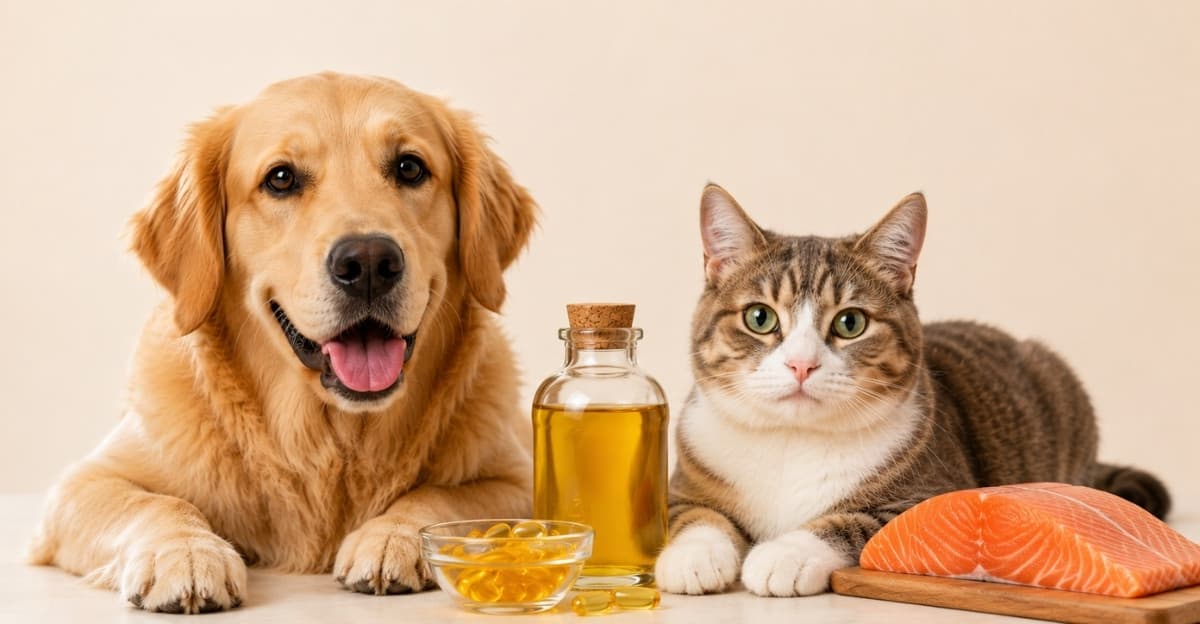
5 Signs Your Pet May Need More Omega-3 Fatty Acids
Most pet owners know that Omega-3 fatty acids help support healthy skin and a shiny coat.
But did you know that dull fur isn't the only sign your cat or dog may need more healthy fats in their diet?
Omega-3 fatty acids, including EPA and DHA, play an important role in supporting your pet's skin, coat and overall wellbeing. They're a key reason an Omega-rich dog supplement or cat supplement can make such a visible difference.
Here are five common signs your pet may benefit from more Omega-3s.
1. Their Coat Looks Dull or Feels Rough
A healthy coat should feel soft and look naturally shiny.
If your pet's fur appears dry, brittle, rough or frizzy, it could indicate they aren't getting enough essential fatty acids.
Omega-3s help nourish hair follicles and support a healthy skin barrier, which contributes to a smoother, shinier coat.
2. They Have Dry or Flaky Skin
Have you noticed dandruff-like flakes on your pet's fur or bedding?
Dry, flaky skin is one of the most common signs of insufficient healthy fats.
Omega-3 and Omega-6 fatty acids help maintain skin hydration and support the skin's natural protective barrier.
3. Excessive Shedding
While some shedding is normal, excessive shedding may signal that your pet's coat isn't receiving the nutrients it needs.
When the skin and coat are properly nourished, fur is often stronger and less prone to breakage.
Supporting your pet's diet with Omega-rich foods or a daily dog supplement or cat supplement may help improve overall coat condition.
4. Constant Scratching or Licking
Frequent scratching, licking or rubbing can sometimes be linked to dry, uncomfortable skin.
Although persistent itchiness should always be discussed with your veterinarian, ensuring your pet receives enough Omega-3 fatty acids can help support normal skin function.
5. Their Food Contains Very Little Fish
Take a look at your pet's food label.
Does it contain salmon, tuna or fish oil?
Many pets eat dry kibble every day, but not all formulas provide optimal levels of Omega-3 fatty acids.
Look for products that include:
- Salmon oil
- Fish oil
- Salmon or tuna as key ingredients
- EPA and DHA
- Added Omega-3 and Omega-6 fatty acids
How to Add More Omega-3 to Your Pet's Diet
Supporting your pet's skin and coat health doesn't need to be complicated.
Simple changes can make a big difference, including:
- Adding salmon oil to daily meals
- Choosing wet food with salmon or tuna
- Switching to fish-based dry food
- Using skin and coat supplement chews
Many pet owners notice visible improvements within 4 to 6 weeks of consistent use.
When Should You See a Vet?
Skin and coat issues can sometimes indicate allergies, parasites or other health conditions.
If your pet experiences severe itching, redness, hair loss or sudden changes in behaviour, consult your veterinarian for advice.
Healthy Skin Starts From Within
Your pet's skin and coat often reflect what's happening inside their body.
By recognising the early signs of Omega-3 deficiency and making simple dietary changes, you can help support healthier skin, reduce dryness and promote a softer, shinier coat. By choosing the right dog supplement or cat supplement, you can make a notable difference to your pet's skin and coat.
Explore Petico's Skin & Coat Care collection https://petico.sg/collections/healthy-skin-coat-care to discover salmon oils, supplements and fish-based nutrition designed to support your pet's daily wellbeing.