


Better Diet, Proper Portions, and Smarter Treats: Supporting Your Cat's Urinary Health
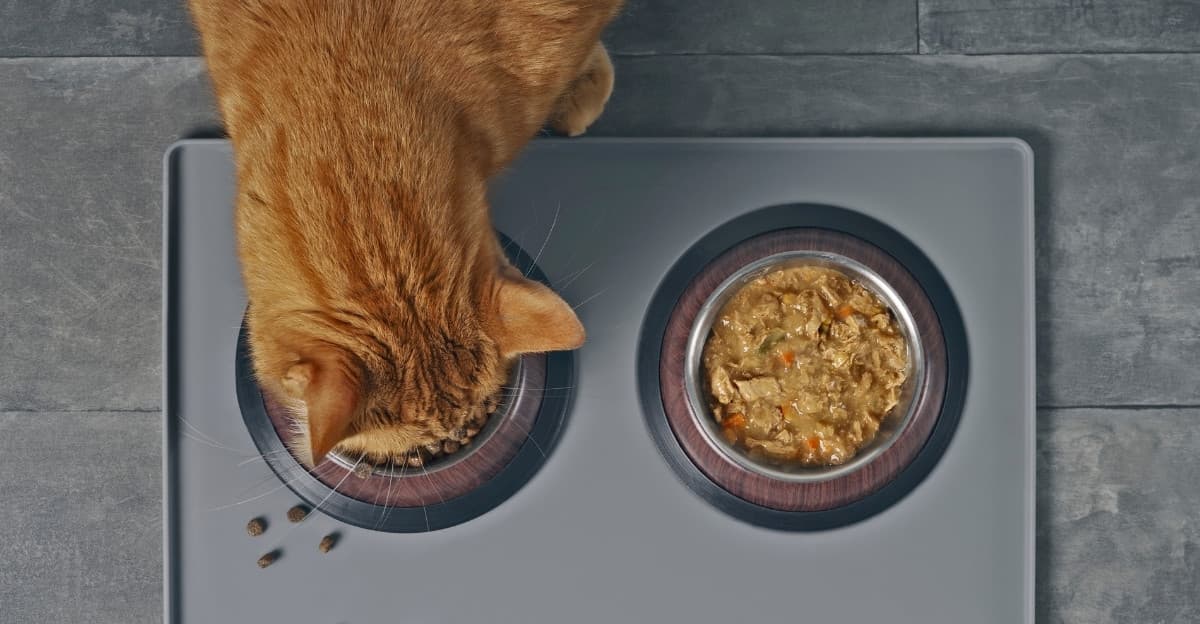
Better Diet, Proper Portions, and Smarter Treats: Supporting Your Cat's Urinary Health
Your cat's daily feeding routine plays an important role in their overall health, including urinary health. Choosing suitable food, measuring meal portions and managing treats can help maintain a balanced diet and a healthy weight.
But how do these everyday habits fit into urinary care? Let's look at three simple ways to improve your cat's feeding routine.
1. Choose Suitable Cat Food
Your cat's diet provides essential nutrients for daily health. If your cat has a history of urinary problems, choosing the right food is especially important.
-
Consider moisture content: Wet food contains more water than dry kibble and can help increase your cat's total daily water intake.
-
Check the nutritional balance: Choose complete and balanced food appropriate for your cat's life stage.
-
Consider urinary care formulas: If your cat has urinary crystals or bladder stones, ask your veterinarian whether a specially formulated urinary diet is suitable.
Not all urinary problems have the same cause, so regular wet food or light formula food should not be treated as a replacement for a prescribed urinary diet when one is needed.
2. Measure Your Cat's Meal Portions
Feeding the right amount helps your cat receive suitable nutrition without consuming more calories than needed.
-
Follow feeding guidelines: Use the food packaging as a starting point and adjust portions according to your cat's individual needs.
-
Measure every meal: Use a measuring scoop or kitchen scale instead of estimating portions by eye.
-
Maintain a healthy weight: Appropriate portions can help prevent excess weight gain and support your cat's overall wellbeing.
A healthy weight is an important part of general pet care, but portion control alone cannot prevent or treat urinary conditions.
3. Choose Smarter, Lower-Calorie Treats
Treats can be part of your cat's daily routine, but too many may add unnecessary calories.
-
Choose suitable treats: Check the calorie content and feeding recommendations on the packaging.
-
Keep portions small: Offer treats in moderation and include them in your cat's daily calorie allowance.
-
Avoid replacing balanced meals: Treats should complement, not replace, complete and balanced cat food.
For cats on a veterinary urinary diet, check with your veterinarian before introducing other foods or treats, as these may affect the intended dietary plan.
How Better Feeding Habits Support Urinary Health
A thoughtful feeding routine can support several aspects of your cat's wellbeing:
-
Balanced hydration: Wet food can help increase water intake, which may be beneficial for cats prone to certain urinary conditions.
-
Healthy weight: Appropriate portions and controlled treats help maintain a healthy body condition.
-
Overall wellbeing: Complete and balanced nutrition provides essential nutrients for everyday health.
However, urinary problems can have different causes, including bladder inflammation, urinary crystals and bladder stones. Diet can play an important role, but the right approach depends on the underlying condition.
Know the Signs of Urinary Problems
Watch for frequent litter box visits, straining to urinate, crying while peeing or blood in the urine. These symptoms should not be ignored, and they are not always caused by a urinary tract infection (UTI).
Contact your veterinarian promptly if you notice these signs.
Important: If your cat repeatedly tries to urinate but produces little or no urine, seek immediate veterinary attention. A urinary blockage can be life-threatening, especially in male cats.
Better Diet. Proper Portions. Smarter Treats.
Supporting your cat's urinary health starts with understanding their nutritional needs, encouraging adequate water intake and maintaining sensible feeding habits.
Explore Petico.sg Urinary Care & Support collection for cat food and treats to complement your cat's daily care routine.
This article is for general educational purposes only and does not replace veterinary advice, diagnosis or treatment.