


Is Your Pet Moving a Little Slower? 3 Signs of Joint Stiffness to Look Out For
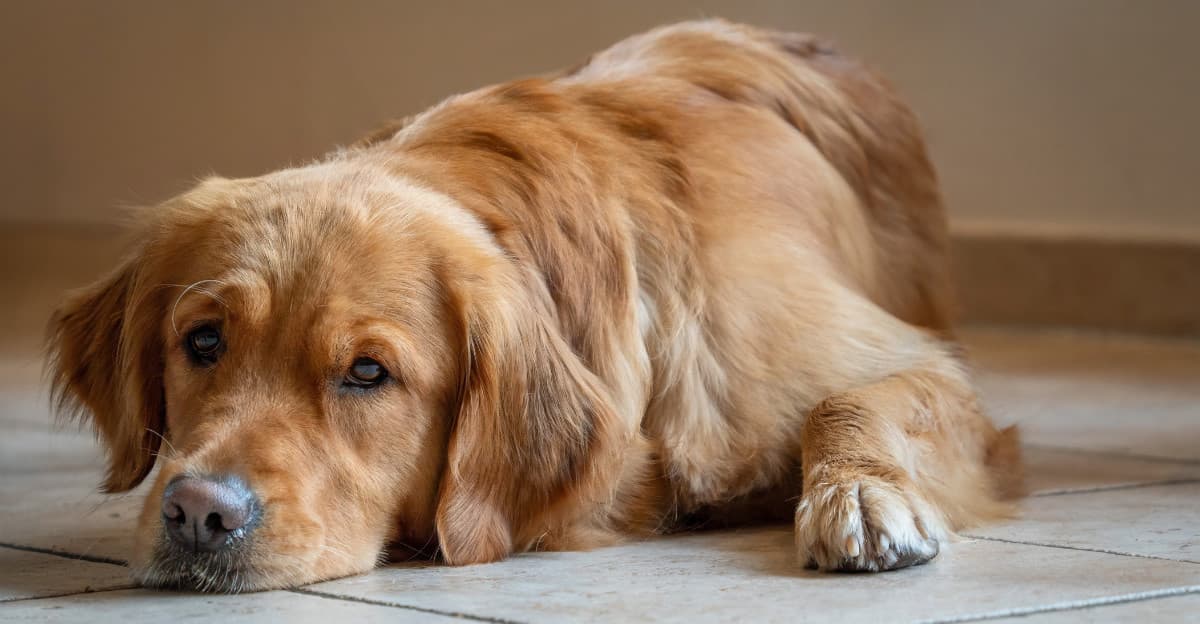
Is Your Pet Moving a Little Slower? 3 Signs of Joint Stiffness to Look Out For
Have you noticed your dog taking longer to get up in the morning? Perhaps they are no longer as excited to climb the stairs or jump onto their favourite spot on the sofa.
While it is easy to assume these changes are simply part of getting older, they could also be signs of joint discomfort or reduced mobility.
Joint health plays an important role in your pet's everyday activities. From getting out of bed to going for walks and playing with their favourite toys, comfortable movement helps them enjoy their daily routine.
Here are three common signs of joint stiffness that every pet owner should know.
3 Signs Your Dog May Have Joint Stiffness
1. Taking Longer to Get Up
Does your dog take a little longer to stand up after waking up or taking a nap?
You may notice them stretching more than usual, moving slowly or needing a few moments before they start walking normally.
Stiffness after resting can be a sign of joint discomfort, especially if it happens regularly.
2. Reluctant to Climb Stairs
If your dog suddenly starts avoiding the stairs they used to climb without hesitation, pay attention.
Other changes may include:
-
Hesitating before jumping onto the sofa or bed.
-
Finding it harder to get in and out of the car.
-
Taking longer to climb steps.
-
Showing less interest in activities that involve jumping.
These changes may suggest that certain movements have become uncomfortable.
3. Limping After Resting
Another sign to look out for is limping or walking differently after a period of rest.
Your dog may favour one leg, take shorter steps or appear stiff when they first start moving. Even if they seem to walk better after a while, recurring limping should not be ignored.
If your dog is limping repeatedly or appears to be in pain, consult your veterinarian to find out what is causing it.
Can Cats Experience Joint Stiffness Too?
Yes! Joint problems are not limited to dogs. Cats can also experience mobility changes, particularly as they get older.
However, cats are often good at hiding discomfort. Instead of obvious limping, you may notice smaller changes in their daily habits:
-
No longer jumping onto their favourite high spots.
-
Avoiding furniture they used to climb.
-
Becoming less playful or active.
-
Moving more slowly after sleeping.
If your cat's usual movements or behaviour start to change, it is worth paying attention.
What Can You Do to Support Your Pet's Joint Health?
Recognising changes in your pet's movement is a good first step. You can also support their overall mobility through:
-
Healthy Weight Management: Maintaining a healthy weight helps reduce unnecessary pressure on their joints.
-
Regular Gentle Exercise: Encourage suitable daily activities to help maintain muscle strength and mobility.
-
Comfortable Home Environment: Non-slip mats and pet ramps can make everyday movements easier.
-
Suitable Nutrition: Consider joint-support diets or supplements based on your pet's individual needs and your veterinarian's advice.
Remember, difficulty moving can have different causes. Do not assume that every limp or movement change is due to ageing or joint stiffness.
Keep Your Pet Moving Comfortably!
Your pet may not be able to tell you when something feels uncomfortable, but small changes in their daily routine can tell you a lot.
Whether it is taking longer to get up, avoiding the stairs or moving differently after resting, recognising these signs can help you take the next step towards better joint care.
Looking for ways to support your pet's mobility? Explore the Joint & Mobility range at Petico.sg, featuring joint-support food and supplements for your furry companions.