


Senior Dog Care: Tips for Keeping Your Older Pup Happy and Healthy
Senior Dog Care: Tips for Keeping Your Older Pup Happy and Healthy
Senior Dog Care: Tips for Keeping Your Older Pup Happy and Healthy
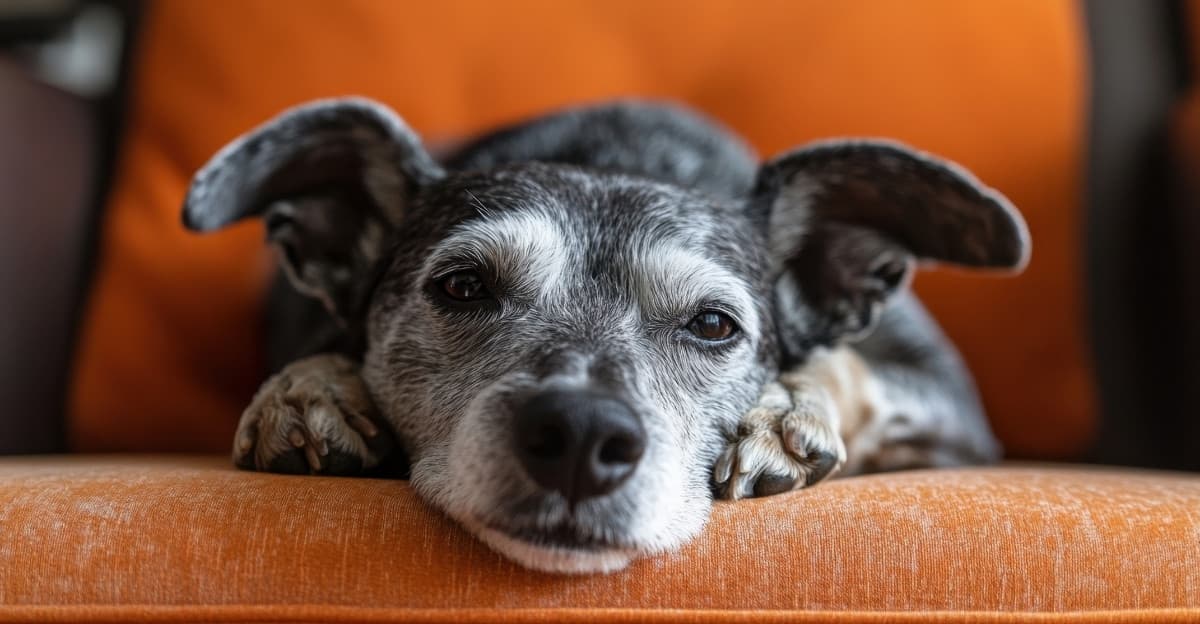
As dogs grow older, their needs begin to change. Just like humans, senior dogs may experience reduced mobility, slower digestion, and other age-related health issues. These changes require owners to adjust how they care for their pets, from nutrition and grooming to exercise and medical check-ups.
In Singapore, where many pet owners live in high-rise flats and lead fast-paced lifestyles, providing the right care for an ageing dog is essential. With proper support, senior dogs can continue to live comfortably and happily for many years.
When Is a Dog Considered a Senior?
The age at which a dog becomes a senior depends largely on its breed and size. Smaller breeds like Shih Tzus or Toy Poodles typically enter their senior years around eight to ten years of age. Medium breeds such as Beagles or Cocker Spaniels become seniors between seven and nine years old. Larger breeds like Golden Retrievers or Labradors may begin to show signs of ageing as early as six years old.
Singapore’s hot and humid climate can also affect how quickly a dog ages, especially for breeds that are less tolerant of heat or require more physical activity.
Adjusting Nutrition for Senior Dogs
Older dogs often need diets that are lower in calories but still rich in high-quality protein and essential nutrients. Senior dog food is specifically formulated to support joint health, improve digestion, and help manage weight.
If your dog has chronic conditions such as kidney disease, heart issues, or diabetes, your veterinarian may recommend a specialised prescription diet. Additionally, many pet owners in Singapore are turning to grain-free or fresh dog food options that cater to dogs with food sensitivities.
Make sure your dog always has access to clean drinking water, especially when walking outdoors in Singapore’s warm weather.
Exercise Needs for Ageing Dogs
While older dogs may be less energetic, regular exercise remains important to maintain joint health and mental stimulation. Choose shorter, more frequent walks during cooler parts of the day, such as early morning or late evening.
Avoid strenuous activity and be mindful of signs of fatigue, especially in breeds prone to overheating. Simple indoor activities, such as food puzzles or gentle obedience training, can also help keep your dog active and engaged.
Veterinary Check-Ups and Preventive Care
Senior dogs benefit from more frequent veterinary visits. Schedule health check-ups at least every six months to monitor common age-related issues such as arthritis, dental disease, and organ function. Your vet may recommend blood tests or other diagnostics to catch early signs of illness.
You can also ask about dog supplements that support joint mobility, cognitive function, and immune health. Products containing glucosamine, omega-3 fatty acids, and probiotics are commonly used to support ageing dogs.
Grooming and Hygiene for Senior Dogs
As dogs age, their skin and coat may become more sensitive. Regular dog grooming helps prevent matting, skin infections, and discomfort. Choose grooming products designed for senior dogs or dogs with sensitive skin.
In Singapore’s humid environment, it is especially important to keep your dog dry and clean to avoid fungal infections or skin irritation. Be gentle during grooming sessions, and pay attention to nails, ears, and dental hygiene.
Dental care is often overlooked but becomes even more important as dogs age. Consider using dental chews, water additives, or toothbrushes specifically designed for dogs.
Making Your Home Comfortable
Small adjustments to your home environment can greatly improve your dog’s quality of life. Provide a soft, orthopedic dog bed to reduce pressure on joints. If your home has slippery tile or hardwood flooring, place rugs or anti-slip mats to help your dog move around safely.
Keep food and water bowls in easily accessible locations, especially if your dog struggles with stairs or mobility. If your dog is experiencing confusion or anxiety, maintaining a consistent daily routine can help reduce stress.
Mental Wellbeing and Enrichment
Even in their later years, dogs need mental stimulation and emotional connection. Spending time together, teaching simple tricks, or offering enrichment toys can help maintain your dog’s cognitive function and strengthen your bond.
Older dogs may also become more sensitive to changes in their environment or schedule. Providing a calm, predictable setting will help your dog feel secure and supported.
Supporting Your Senior Dog in Petico.sg!
Caring for a senior dog takes patience and a few lifestyle adjustments, but the rewards are significant. With the right combination of nutrition, veterinary care, grooming, and daily attention, older dogs can continue to enjoy life with their families.
At Petico.sg, we understand the unique needs of ageing pets in Singapore’s climate and living environment. We offer a carefully curated selection of senior dog food, nutritional supplements, grooming products, and other essentials to support your dog’s health and comfort in their golden years. Whether you’re managing specific health conditions or simply looking to improve your pet’s quality of life, our team is here to help with trusted products and practical advice.
Visit Petico.sg today to explore our full range of senior care solutions for your dog.