


The Complete Puppy Health Guide: Vaccinations, Vet Visits, Deworming & Outdoor Safety
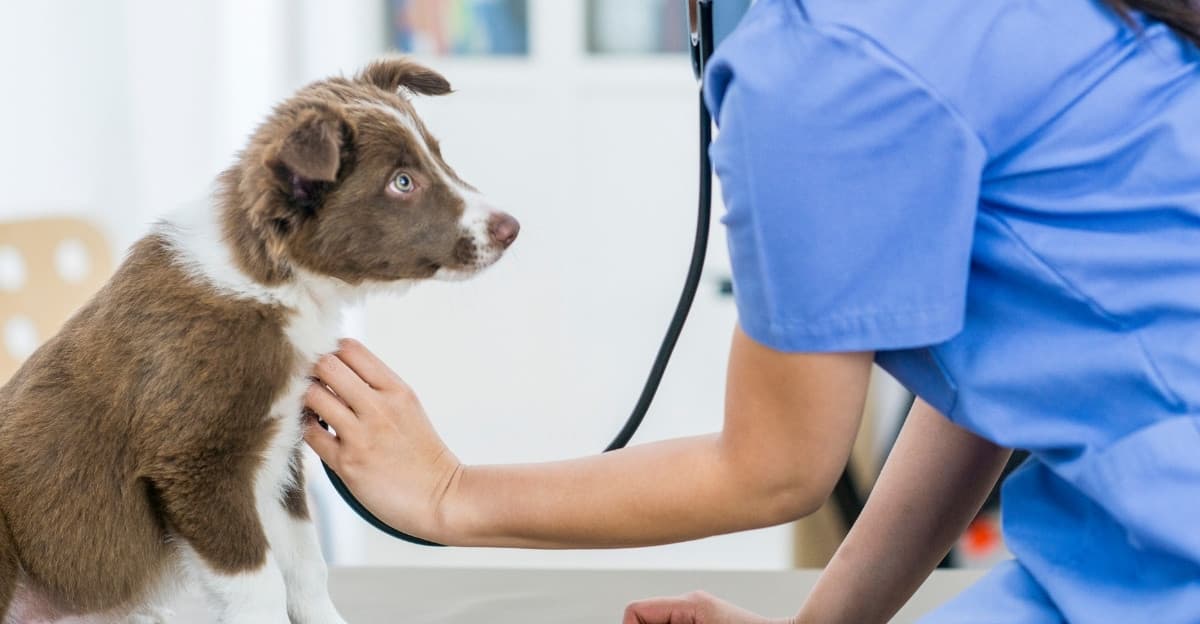
The Complete Puppy Health Guide: Vaccinations, Vet Visits, Deworming & Outdoor Safety
Bringing home a new puppy is an exciting milestone, but it also comes with important responsibilities. During the first few months of life, puppies need proper healthcare and regular veterinary visits to grow into healthy adult dogs.
Understanding the basics of puppy care — including vaccinations, vet visits, parasite prevention, and safe outdoor activities — can help you give your puppy the best start in life.
This guide covers some of the most important health topics new puppy parents should know.
Puppy Vaccination Timeline: What New Pet Parents Should Know 💉Vaccinations play an important role in protecting puppies from serious and potentially life-threatening diseases. Because young puppies still carry antibodies passed from their mother, vaccines are usually given in several stages during the first few months of life.
These vaccinations help build your puppy's immune system and provide protection as they grow.
While schedules may vary slightly, puppies generally begin their vaccination series between 6 and 8 weeks of age and continue with additional doses until around 16 weeks old.
6–8 Weeks Old: First Vaccination
This is typically when puppies receive their first veterinary examination and initial vaccination.
During this visit, your veterinarian may begin your puppy's vaccination program and provide guidance on the next steps for preventive healthcare.
Depending on your puppy's environment and lifestyle, the vet may also discuss additional protection that could be recommended.
9–12 Weeks Old: Follow-Up Vaccination
At this stage, puppies usually receive follow-up vaccinations as part of the initial vaccination series.
These additional doses help strengthen the immune response as your puppy continues to grow and develop.
Your veterinarian may also evaluate your puppy's lifestyle and environment to determine if any additional protection is appropriate.
12–16 Weeks Old: Completing the Puppy Vaccination Series
Most puppies complete their initial vaccination series during this stage.
Finishing the full series is important to ensure your puppy has built adequate protection against common infectious diseases.
Your veterinarian will advise when your puppy has completed this stage and when it is safe to begin more outdoor activities.
Around 1 Year Old: Booster Vaccination
As your puppy grows into an adult dog, booster vaccinations are typically recommended to help maintain long-term protection.
The exact schedule and type of booster vaccinations can vary depending on factors such as your dog's health, lifestyle, and local veterinary recommendations.
Your veterinarian will guide you on the appropriate timing for booster vaccinations and any future preventive care.
Your Puppy's First Vet Visit: What to Expect 🩺Your puppy's first vet appointment is an important step in ensuring they start life healthy.
Most puppies should visit a veterinarian within a few days of arriving at their new home, or around 6–8 weeks of age.
This visit helps establish your puppy's medical record and ensures they are developing normally.
What Happens During the First Vet Visit?
Physical Examination
Your veterinarian will perform a full health check, which may include examining:
-
Eyes, ears, and teeth
-
Skin and coat condition
-
Heart and lungs
-
Body weight and growth
-
Signs of parasites or other health concerns
This exam helps identify any potential health issues early.
Vaccination Planning
If your puppy has not started vaccinations, the vet may begin the vaccination series and explain the recommended schedule for follow-up visits.
Deworming Treatment
Intestinal parasites are common in young puppies. Your veterinarian may recommend routine deworming treatment to remove parasites and protect your puppy's health.
Nutrition Advice
Your vet may also provide guidance on:
-
Choosing appropriate puppy food
-
Feeding frequency
-
Portion sizes based on breed and age
Proper nutrition plays a key role in healthy growth during the first year. You may also discuss whether adding a dog supplement or specific dog vitamins is necessary to support your puppy’s development.
Preventive Care Plan
Your veterinarian may also discuss preventive healthcare, including:
-
Parasite prevention
-
Ongoing vaccination schedule
-
General wellness care for your puppy
Puppy Deworming: Why It's Important 🐛
Parasites are relatively common in young puppies. Some puppies may be born with worms or can pick them up from their environment.
Routine deworming helps prevent parasites from affecting your puppy's health and development.
Why Deworming Matters
Intestinal worms can lead to several health issues in puppies, including:
-
Poor growth
-
Digestive upset
-
Weight loss
-
Low energy levels
Regular veterinary care helps ensure parasites are properly managed.
Common Parasites in Puppies
Some intestinal parasites are more commonly seen in young dogs. These may affect digestion and overall health if left untreated.
Veterinarians typically recommend routine parasite control during the early months of life to help protect puppies as their immune systems develop.
Typical Deworming Routine
Many veterinarians recommend regular deworming treatments during the early weeks of a puppy's life, followed by continued parasite prevention as they grow.
The exact schedule may vary depending on your puppy's health, living environment, and veterinary advice.
When Can Puppies Go Outside? 🌳Many new puppy owners are eager to bring their puppy outside for walks and adventures. However, young puppies are more vulnerable to infections because their immune systems are still developing.
Because of this, veterinarians usually recommend limiting exposure to public dog areas until the puppy has completed their initial vaccination series.
Safe Outdoor Experiences Before Full Vaccination
Even before vaccinations are fully completed, puppies can still safely experience the outside world with some precautions.
Carry your puppy outdoors
Allow them to experience new environments while being safely held.
Private yard playtime
If you have a secure yard where unknown dogs do not visit, supervised playtime may be appropriate.
Controlled socialization
Introducing your puppy to healthy, vaccinated dogs owned by trusted friends or family can help with early socialization.
Why Early Socialization Matters
Puppies go through an important learning stage between 3 and 16 weeks of age. During this time, positive exposure to new experiences helps build confidence.
Introducing your puppy to different sights, sounds, people, and environments during this period can support healthy behavioural development.
Support Your Puppy’s Healthy Start With Petico.sg
Raising a puppy comes with plenty to learn, especially when it comes to nutrition, healthcare, and daily care routines. Taking the right steps early can help support your puppy’s growth, confidence, and overall wellbeing.
At Petico.sg, we’re here to make puppy care simpler. From carefully selected puppy food to treats and everyday essentials, you’ll find everything you need to support your puppy’s journey.
Give your puppy the care they deserve and help them grow into a happy and healthy companion.
The first few months of your puppy's life are an important time for growth and development. Regular veterinary visits, vaccinations, parasite prevention, and safe socialization all contribute to building a strong foundation for lifelong health.
By working closely with your veterinarian and providing proper care at home, you can help your puppy grow into a happy and healthy companion.
Disclaimer:
This article is intended for general educational purposes only and should not replace professional veterinary advice. Always consult your veterinarian for recommendations specific to your pet.