


Understanding the Root Cause of Sensitive Stomach & Loose Stools in Pet
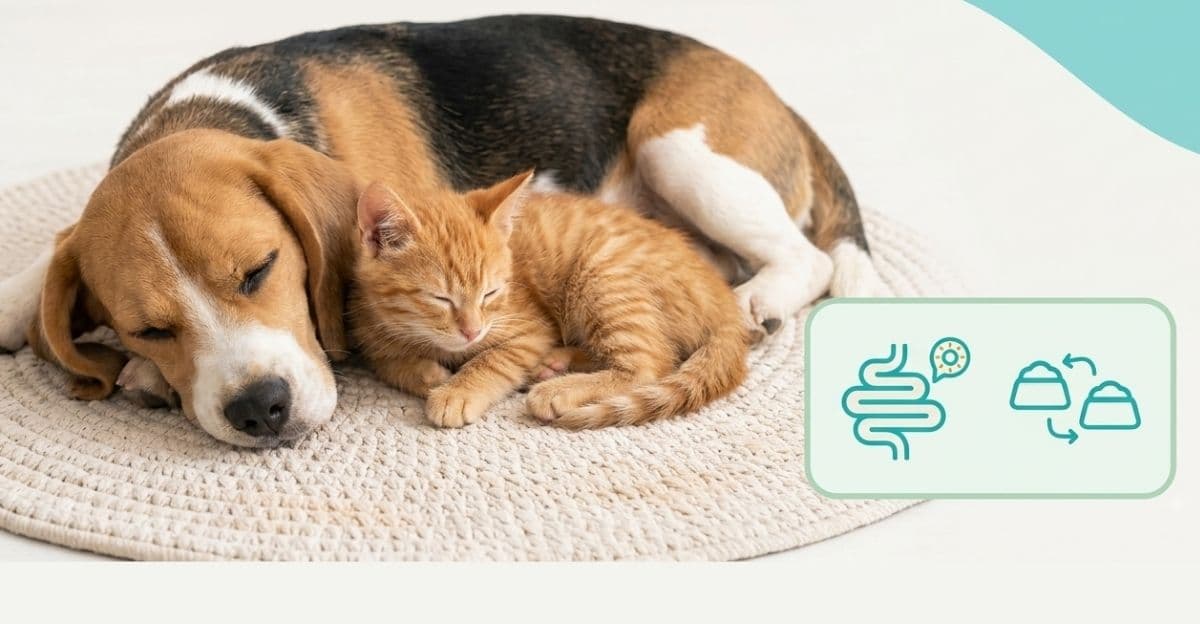
Understanding the Root Cause of Sensitive Stomach & Loose Stools in Pet
If your dog or cat frequently has loose stools, vomiting, gas or digestive discomfort, you know how frustrating it can be. You may wonder if they ate something wrong or if their food simply doesn't agree with them.
While occasional digestive upset can happen, recurring symptoms may indicate that something isn't working well for your pet's digestive system.
One important factor to consider is the gut microbiome — the community of microorganisms living in your pet's digestive tract.
A healthy gut microbiome supports normal digestion, nutrient absorption and overall gut function. When this balance is disrupted, some pets may become more prone to digestive upset.
So, what causes this imbalance, and what can you do to support your pet's gut health?
What Is the Gut Microbiome?
Your pet's digestive tract is home to trillions of microorganisms, including beneficial bacteria and other microbes.
When the gut ecosystem is balanced, these microorganisms work alongside the digestive system to support normal digestion and overall gut health.
However, changes in diet, stress, illness, medications and other factors can affect this microbial community. This disruption is known as dysbiosis.
For some pets, changes in the gut microbiome may be associated with symptoms such as:
- Loose or soft stools
- Diarrhea
- Excessive gas
- Stomach gurgling
- Changes in appetite
- Digestive upset after food changes
But gut imbalance isn't the only possible cause of these symptoms. Food intolerance, parasites, infections and other underlying health conditions can also contribute to digestive problems.
What Can Trigger Digestive Imbalance in Pets?
1. Sudden Changes in Diet
One of the most common causes of temporary digestive upset is changing food too quickly.
Your pet's digestive system needs time to adapt to differences in protein sources, fat levels, fiber and other nutrients. Switching from one food to another overnight can result in loose stools, gas or vomiting.
That's why a gradual transition is recommended whenever you introduce a new diet.
2. A Diet That Doesn't Suit Your Pet
Every pet is different, and a food that works well for one dog or cat may not work equally well for another.
Some pets may be more sensitive to certain ingredients or may benefit from highly digestible formulas with an appropriate balance of protein, fat and fiber.
Rather than focusing only on whether a food is marketed as "premium," look at the ingredient list and nutritional profile to determine whether it is suitable for your pet.
3. Changes to the Gut Microbiome
Dietary changes, stress, illness and certain medications can affect the balance of microorganisms in the digestive tract.
When the gut microbiome is disrupted, supporting beneficial bacteria through appropriate nutrition and, where suitable, probiotics and prebiotics may help maintain a healthier digestive environment.
When Should You See a Veterinarian?
Not every case of loose stools or vomiting is simply a sensitive stomach.
If your pet has persistent or severe diarrhea, repeated vomiting, blood in the stool, significant lethargy, loss of appetite, dehydration or other concerning symptoms, contact your veterinarian.
Recurring digestive problems can have many possible causes, so it's important to identify the underlying issue rather than relying solely on supplements or dietary changes.
Support Your Pet's Gut Health Every Day with Petico.sg
A healthy digestive system starts with the basics: suitable nutrition, a consistent feeding routine and appropriate digestive support.
By choosing digestible food, introducing diet changes gradually and considering probiotics, prebiotics and fiber where appropriate, you can help support your pet's gut health and maintain more comfortable digestion.
Because when their tummy feels good, mealtime — and everyday life — feels better too. 🐶🐱