


Feeding Your Kitten: A Month-by-Month Guide for New Cat Parents
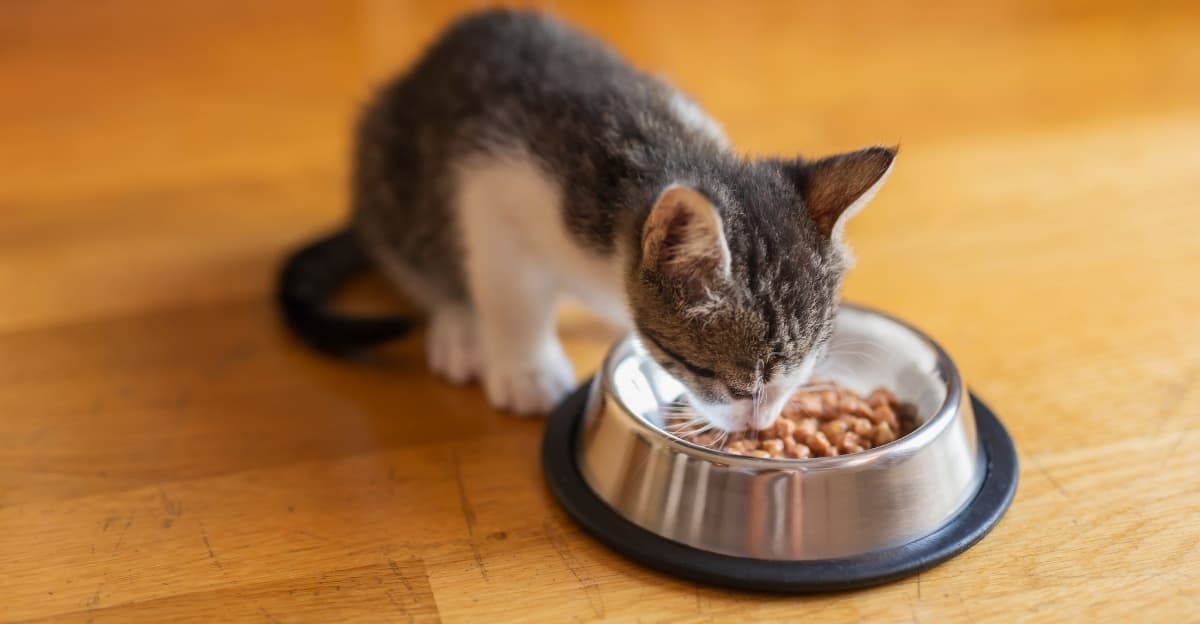
Feeding Your Kitten: A Month-by-Month Guide for New Cat Parents
Watching your kitten grow is one of the most rewarding parts of becoming a cat parent. In just one year, they'll go from a tiny, curious furball to a confident young cat—and every stage of that journey is fuelled by proper nutrition.
As your kitten grows, their appetite, energy levels, and nutritional needs will change too. Knowing what to feed, how often to feed, and when to adjust their diet can help support healthy development and build the foundation for a long, happy life.
Whether you've just brought your kitten home or are preparing for the months ahead, here's a feeding guide to help you every step of the way.
8–12 Weeks: Helping Your Kitten Settle In
This is the age when most kittens join their new families. Everything is unfamiliar, from the sights and sounds of your home to the people around them.
During this adjustment period, keep their feeding routine simple and consistent.
- Feed 3–4 small meals throughout the day.
- Continue feeding the same food they were previously eating, if possible.
- If you're changing brands, transition gradually over 5–7 days.
- Make sure fresh water is always available.
A little patience goes a long way. Some kittens eat confidently from day one, while others may need a little time before their appetite returns to normal.
3–6 Months: Supporting Rapid Growth
By now, your kitten is becoming more adventurous. They're climbing furniture, chasing toys, and exploring every corner of the house.
All that activity requires balanced nutrition.
Choose a complete and balanced kitten food that's rich in:
- High-quality protein for growing muscles
- Healthy fats for energy
- DHA to support brain and vision development
- Calcium and phosphorus for strong bones and teeth
Many cat parents feed a combination of dry cat food and wet cat food to provide variety while helping support hydration.
6–12 Months: Growing Into a Young Cat
Although your kitten may start looking like an adult cat, they're still developing.
As growth begins to slow, you can gradually reduce feeding to 2–3 meals a day, depending on your kitten's appetite and lifestyle.
This is also a good time to establish healthy feeding habits.
Instead of leaving food available all day, offer meals at regular times to help manage portions and create a consistent routine.
Is Wet or Dry Food Better?
The truth is, both have their benefits.
Dry food is convenient, has a longer shelf life once served, and can encourage chewing.
Wet food contains significantly more moisture, making it a great option for supporting hydration while adding variety to your kitten's meals.
Many owners choose to combine both, giving their kitten the benefits of each.
Whichever option you choose, always look for food that's complete and balanced for kittens.
Can Kittens Eat Treats?
Yes—but moderation is key.
Treats are a great way to reward positive behaviour or strengthen your bond, but they should never replace a balanced diet.
Healthy cat treats or freeze dried cat treats should only make up a small percentage of your kitten's daily calorie intake.
If you're introducing freeze dried cat food, check whether it's intended as a complete meal or a complementary topper before serving it regularly.
Foods You Should Never Feed Your Kitten
Not everything that's safe for humans is safe for cats.
Avoid giving your kitten:
- Chocolate
- Onions and garlic
- Grapes and raisins
- Alcohol
- Caffeine
- Cooked bones
- Cow's milk
Instead, always provide fresh, clean drinking water alongside every meal.
Knowing When It's Time for Adult Cat Food
Most kittens are ready to transition to adult cat food at around 12 months of age.
Rather than making the switch overnight, slowly mix increasing amounts of adult food into their kitten food over the course of a week.
Larger breeds, such as Maine Coons, may continue growing for longer and could benefit from staying on kitten food for a little while longer. If you're unsure, speak to your veterinarian for personalised advice.
Building Healthy Eating Habits for Life
Feeding your kitten isn't just about helping them grow—it's about creating routines that support their health well into adulthood.
Choose high-quality nutrition, feed appropriate portions, and stick to a consistent schedule. Combined with regular veterinary check-ups and plenty of playtime, these everyday habits will help your kitten thrive.
The months will fly by, but every meal you serve is helping your tiny companion grow into a healthy, confident cat.
Give Your Kitten the Best Start with Petico.sg
Every kitten deserves the right nutrition from day one. At Petico.sg, you'll find everything you need to support your kitten's growth, from premium kitten food and nutritious wet cat food to crunchy dry cat food, protein-rich freeze dried cat food, tasty cat treats, and daily wellness essentials.
No matter where your kitten is on their journey, we're here to help you give them the healthiest possible start.