


The Difference Good Food Makes: How to Choose the Best Hypoallergenic & Novel Protein Food for Dogs & Cats
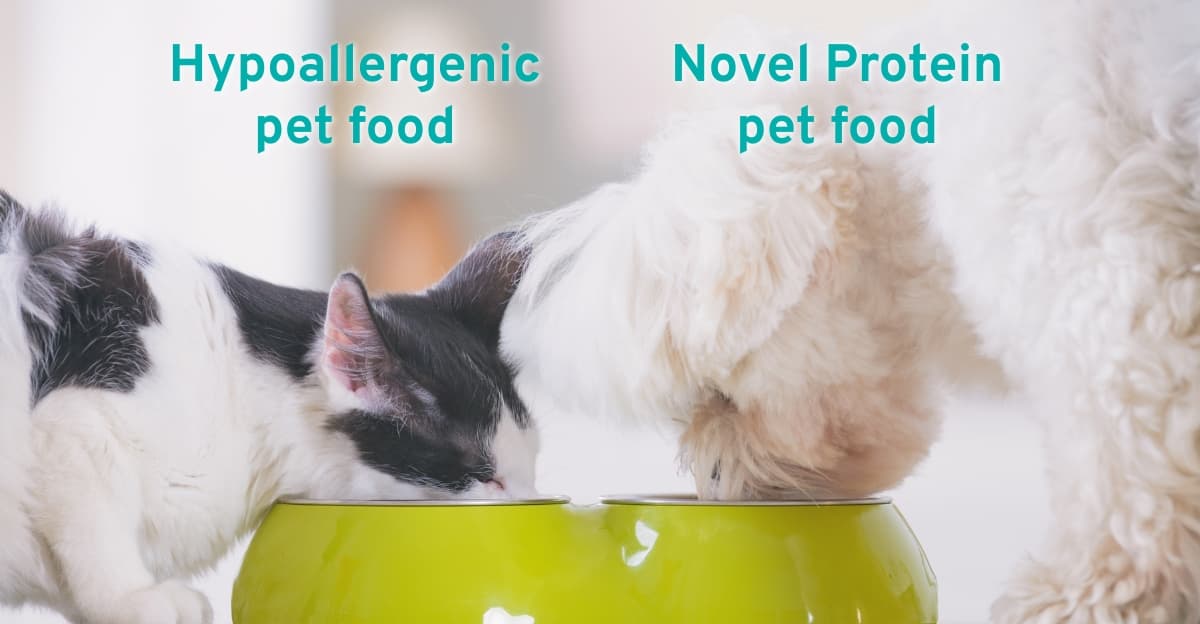
The Difference Good Food Makes: How to Choose the Best Hypoallergenic & Novel Protein Food for Dogs & Cats
Does your dog constantly scratch until their skin becomes red? Is your cat always licking or biting their paws?
Persistent itching, irritated skin and excessive grooming aren't just frustrating—they're often signs that your pet's skin needs extra support. While allergies, parasites and environmental factors can all contribute, nutrition plays an important role in maintaining healthy skin and a strong skin barrier.
If your dog or cat has been diagnosed with a food sensitivity, or your veterinarian has recommended an elimination diet, choosing the right food is one of the most important steps towards helping them feel more comfortable.
The Difference Good Food MakesWhen pets don't receive the right nutrition, you may notice signs such as:
Dogs
- Constant scratching
- Red, irritated skin
- Discomfort and poor sleep
- Dull coat
Cats
- Biting or licking their paws excessively
- Flaky, irritated skin
- Unhappy or restless behaviour
- Dull, rough coat
With the right hypoallergenic or novel protein diet, many pets may experience improvements such as:
Dogs
- Less itching and scratching
- Calmer skin with fewer flare-ups
- Better sleep and greater comfort
- Shinier coat and healthier skin
Cats
- Reduced paw licking and scratching
- Better-hydrated, healthier-looking skin
- Calmer, more playful mood
- Softer, shinier coat
Every pet is different, and improvements may take several weeks depending on the underlying cause and the diet chosen.
What Is a Hypoallergenic or Novel Protein Diet?A hypoallergenic diet is specially formulated to reduce the chance of triggering food sensitivities.
Many of these diets use a novel protein, which is a protein source your pet has never eaten before. Since the immune system is less likely to recognise a new protein, it may help reduce unwanted food reactions in some pets.
These diets are also commonly paired with limited ingredient recipes to make identifying food sensitivities easier.
How to Choose the Right Food1. Choose a Single Protein Source
Foods containing multiple animal proteins can make it difficult to identify which ingredient may be causing your pet's discomfort.
Some popular novel protein options include:
- Duck
- Salmon
- Venison
- Kangaroo
- Rabbit
A single-protein recipe is often recommended during an elimination diet. Browse our Novel Protein Diet collections to explore suitable options.
2. Look for Limited Ingredient Recipes
Less is often more when managing food sensitivities.
Limited ingredient diets contain fewer ingredients, helping reduce unnecessary fillers and potential allergens while still providing complete and balanced nutrition.
Explore our Limited Ingredient Pet Food Collection for dogs and cats with sensitive skin and stomachs.
3. Avoid Common Food Allergens
Although every pet is different, some ingredients are more commonly associated with food sensitivities.
Depending on your pet's condition, your veterinarian may recommend avoiding ingredients such as:
- Chicken
- Beef
- Wheat
- Corn
- Dairy
Always read the ingredient list carefully before switching foods.
If you're still unsure whether your pet's itching is caused by food or the environment, read Food Allergy vs Environmental Allergy in Dogs & Cats: How to Tell the Difference.
4. Look for Skin-Supporting Nutrients
The right food should do more than simply avoid allergens—it should also nourish your pet's skin.
Look for ingredients such as:
- Omega-3 fatty acids (EPA & DHA)
- Fish oil or salmon oil
- Vitamin E
- Zinc
These nutrients help support the skin barrier, improve coat condition and maintain healthy skin.
You can also add an Omega-3 Supplement or Salmon Oil alongside your pet's daily meals for additional skin support.
5. Give the Diet Time to Work
One of the biggest mistakes pet owners make is changing foods too quickly.
Food sensitivities don't improve overnight.
Most elimination diets require 8–12 weeks before you can properly assess whether the diet is helping.
During this period:
- Feed only the recommended diet.
- Avoid treats made with different proteins.
- Don't feed table scraps or human food.
- Stay consistent.
Consistency gives your pet the best opportunity to improve.
Common Mistakes to AvoidEven with a high-quality diet, these common mistakes can slow progress:
- Frequently switching between different foods
- Feeding treats that contain chicken or beef during an elimination diet
- Mixing multiple protein sources together
- Expecting results within a few days
- Not checking ingredient labels carefully
Small inconsistencies can make it difficult to determine whether the diet is working.
Omega-3 Helps Support Healthy SkinWhether your pet is eating a hypoallergenic diet or a novel protein diet, Omega-3 fatty acids can provide additional skin support.
Omega-3 helps support:
- A healthy skin barrier
- Skin hydration
- Healthy coat condition
- Overall skin health
While Omega-3 won't cure allergies, it can be a valuable addition to your pet's daily nutrition when used alongside an appropriate diet.
Better Nutrition. Better Skin. A Better Life Together.Healthy skin starts from the inside.
For many dogs and cats with food sensitivities or delicate skin, choosing the right hypoallergenic or novel protein diet can help reduce scratching, improve coat condition and support long-term skin health.
Combined with patience, consistency and appropriate veterinary guidance, good nutrition can make a real difference to your pet's comfort and wellbeing.
Shop Hypoallergenic & Novel Protein Food at Petico.sgLooking for nutritional support for pets with itchy skin or food sensitivities?
Explore Petico's Sensitive Skin & Allergy Care Collection, featuring:
- Hypoallergenic Dog Food
- Hypoallergenic Cat Food
- Novel Protein Diets
- Limited Ingredient Diets
- Omega-3 Supplements
- Salmon Oil
- Skin & Coat Care Products
Give your pet the nutritional support they need to enjoy healthier skin, less scratching and a happier, more comfortable life.