


Sleepless Nights with a Meowing Cat? Try These Tips
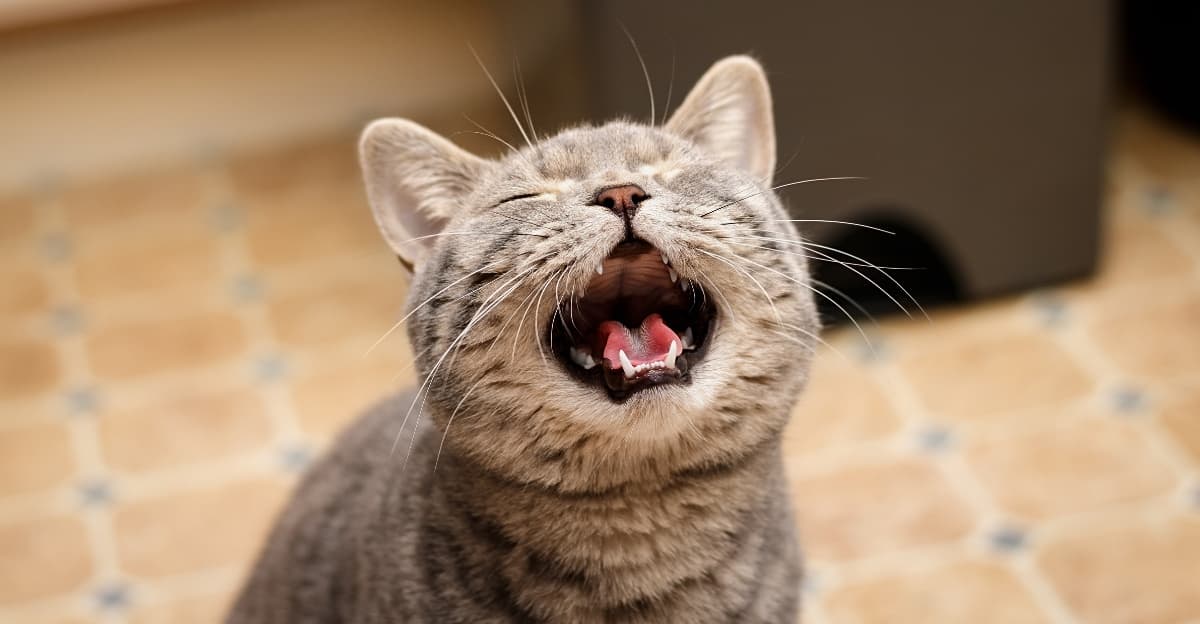
Sleepless Nights with a Meowing Cat? Try These Tips
Why Does My Cat Meow at Night? (And How to Help Them Settle Down)
It is the middle of the night. You are finally drifting into a deep sleep, and then you hear it: meow... meow... meeeooow. If you are a cat owner, you are likely familiar with your feline companion’s vocal activity during nighttime hours. But what causes cats to meow at night, and more importantly, how can you help them settle?
Below are some common reasons behind nighttime meowing, along with practical ways to address the behavior. We will also consider how factors such as nutrition, dry cat food, wet cat food, cat treats, and other pet food may contribute to a more peaceful routine.
1. Hunger or Thirst
Cats may vocalize when they are hungry or when their water bowl is empty. If your cat meows frequently at night, it may be trying to communicate a need for food or water.
Solution:
Ensure that your cat has access to fresh water and food before bedtime. A small serving of wet canned food or a bowl of dry cat food can help keep them satisfied through the night. Some cats also benefit from food puzzles filled with kibbles to provide stimulation and delay hunger.
2. Boredom or Lack of Stimulation
Cats are naturally more active during the evening and early morning hours. If your cat has not received enough mental or physical engagement during the day, it may be more likely to seek stimulation during the night.
Solution:
Engage in structured play during the evening. Use interactive toys, climbing structures, or puzzle feeders with cat treats to provide stimulation. A more enriching daytime environment often leads to more restful behavior at night.
3. Seeking Attention
Some cats meow at night to gain attention. If they have learned that vocalizing leads to a response, even a negative one, the behavior may continue.
Solution:
Avoid reinforcing the behavior. Do not respond to nighttime meowing unless there is a clear need to do so, such as checking the cat litter box. Maintain consistency. Over time, your cat may learn that nighttime is intended for rest.
4. Possible Health Concerns
If your cat has recently started meowing at night or if the behavior has increased, it may be an indication of discomfort or stress, particularly in older cats.
Solution:
Observe any changes in your cat’s behavior, appetite, or activity levels. If the vocalization is unusual or persistent, consider bringing your cat to a veterinarian for a general check-up to rule out any underlying issues.
5. Environmental or Territorial Triggers
Cats are sensitive to changes in their surroundings. Sounds from outside, the presence of other animals, or unfamiliar scents may trigger nighttime vocalization.
Solution:
Keep windows closed at night and consider using white noise or soft background music to reduce environmental stimuli. Calming diffusers or pheromone sprays may also help reduce sensitivity to external triggers.
Can Diet Help Reduce Nighttime Meowing?
In some cases, yes. A balanced diet supports overall well-being, which can in turn influence behavior. Ensuring your cat is receiving proper nutrition may help reduce stress-related behaviors.
Consider the following:
-
Dry cat food or wet cat food with appropriate protein content
-
Wet canned food to support hydration
-
Grain free options if your cat shows signs of dietary sensitivity
-
Cat treats used strategically for enrichment or training
If you have other pets in the home, such as dogs, it is also important to meet their nutritional needs. This includes high-quality dry dog food, wet dog food, and dog treats suited to their age and dietary requirements. This is particularly important for senior dogs who may require joint or digestive support.
While nighttime meowing is not uncommon, it can often be managed effectively by addressing your cat’s specific needs. A combination of consistent routines, mental and physical enrichment, and appropriate nutrition can contribute to calmer, more restful nights for both you and your pet.
If the behavior becomes frequent or causes concern, it is advisable to consult with a veterinarian to rule out any underlying health issues.
At Petico.sg, we are committed to supporting your pet’s well-being. Explore our comprehensive selection of premium pet food, kibbles, and cat litter products—carefully curated to promote calm, balanced behavior in cats and other companion animals, including senior pets. Visit us online or in-store to find everything you need to create a comfortable and happy environment for your furry friends.