


Top 10 Things Every Dog Owner Needs to Know: Nutrition, Care, and More
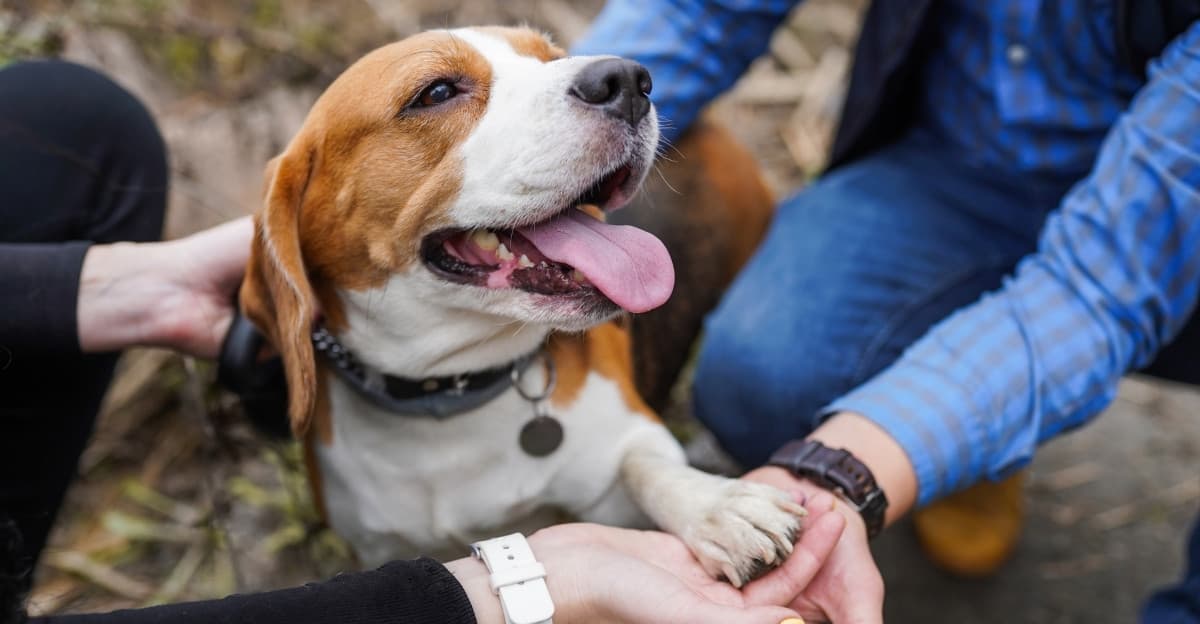
Top 10 Things Every Dog Owner Needs to Know: Nutrition, Care, and More
Being a dog owner is one of life's greatest joys, but it also comes with a lot of responsibility. From choosing the right dog food and treats to understanding the needs of senior dogs, there's plenty to learn if you want your dog to stay healthy, happy, and full of life. Here are the top 10 things every dog owner should know, including tips on dry dog food, wet dog food, freeze dried dog treats, dog vitamins and even a few notes for cat owners who share their homes with dogs.
1. Choose the Right Pet Food for Your Dog
Not all dog food and treats are created equal. Your dog's diet should be tailored to their size, age, and activity level. Always check the ingredient list and look for real meat, whole grains or grain-free options (if needed), and essential vitamins. Avoid foods that are heavy on fillers and artificial ingredients.
Choosing between dry dog food and wet dog food is part of this decision — each offers different benefits depending on your dog's needs. Consider rotating or combining food types to provide variety and balanced nutrition.
2. Know the Difference Between Dry and Wet Dog Food
Dry dog food, or kibbles, is easy to store, tends to be more affordable, and can help reduce plaque buildup on your dog's teeth. Wet dog food, on the other hand, is softer, easier to chew, and often more flavorful, which can be especially helpful for picky eaters or senior pets with dental issues.
A mix of both dry dog food and wet canned food can give your dog the benefits of both types.
Kibbles can be ideal for dogs who enjoy crunchy textures and benefit from the dental scrubbing effect. Wet canned food adds hydration and can help increase appetite in less enthusiastic eaters.
3. Consider Grain-Free Options If Needed
Some dogs have food sensitivities or allergies, and grains can be a common trigger. In these cases, grain-free dry dog food or wet dog food might be worth exploring. It's not necessary for every dog, though, so always talk to your vet before switching to a grain-free diet.
Grain-free diets are often recommended for dogs with skin irritations, chronic ear infections, or digestive issues. Senior pets with slower metabolism or sensitive stomachs might also benefit from more easily digestible, grain-free formulas.
4. Pick Healthy Dog Treats
Dog treats such as freeze dried dog treats are perfect for training and rewarding good behavior, but not all treats are created equal. Choose natural options with real ingredients and avoid anything with too much salt, sugar, or artificial additives.
If you have a cat in the house, don't forget to treat them too — high-quality cat treats such as freeze dried cat treats and freeze dried chicken for cats help keep them happy.
When selecting dog treats, consider soft chews for older pets, dental sticks for oral health, and low-calorie options for dogs on weight management plans. Treats should complement, not replace, a healthy diet.
5. Keep Your Dog Hydrated
Whether your dog eats kibbles or wet dog food, access to clean, fresh water is essential. Hydration plays a major role in your dog's digestion, joint health, and energy levels.
Dogs on a primarily dry dog food diet may need extra encouragement to drink water throughout the day. Wet canned food can be a good option to increase moisture intake. The same principle applies to cats, especially those who eat dry cat food — incorporating wet cat food helps support urinary and kidney health.
6. Know What Senior Dogs Need
As your dog gets older, their nutritional and physical needs will change. Senior dogs may need food that is easier to chew and digest, like wet canned food, or a specially formulated diet for senior pets. This includes incorporating the right dog supplement and dog vitamins into their mealtimes. As they age, they may benefit from joint supplements, lower-calorie meals, and more frequent vet visits.
Most importantly, they still need your time and affection.
Watch for signs like stiffness, changes in appetite, or reduced energy — these may signal age-related issues that can often be managed with proper nutrition and care. Tailoring food and routines for senior dogs can dramatically improve their quality of life.
7. Don't Ignore Dental Health
Even if your dog eats dry food, dental hygiene is still a must. Regular brushing, dental chews, and vet checkups will help prevent tooth loss and gum disease, especially as your dog ages.
Some dry dog food and kibbles are specifically designed to help clean teeth and reduce tartar. Incorporating dental treats into your dog's routine can offer an easy and enjoyable way to support oral health, especially for senior pets who are more prone to dental problems.
8. Keep Your Home Clean and Pet-Friendly
Clean bedding, regular grooming, and proper waste disposal are all part of keeping your dog healthy. If you also have cats, keep the cat litter box in a quiet area away from your dog. Some dogs love to dig in cat litter, which is unpleasant and unsanitary.
Use pet-safe cleaning products to avoid exposing pets to harsh chemicals. Keeping their living environment clean not only improves hygiene but also reduces the risk of skin issues and infections. For cat litter, consider odor-control or low-dust formulas to keep the space fresh for both you and your pets.
9. Exercise Is Non-Negotiable
Dogs of all ages need regular physical and mental activity. Walks, fetch, puzzle toys, and even short training sessions keep their bodies strong and their minds sharp. For senior dogs, shorter but more frequent walks may be ideal.
Mental stimulation is just as important — consider rotating toys, teaching new tricks, or using food-dispensing puzzles to challenge your dog's brain. Regular activity also helps manage weight and prevent joint stiffness, especially in older pets.
10. Every Dog Is Different
Some dogs love dry dog food. Others won't touch it unless it's mixed with wet food. Some go crazy for soft dog treats, while others prefer crunchy ones. Pay attention to what your dog likes and how they react to different foods and routines.
Your dog's preferences, health, and behavior are the best guide.
Try introducing new foods or treats gradually and observe any changes in digestion, coat condition, or energy levels. Personalizing your dog's care based on their needs leads to better health outcomes and a stronger bond between you and your pet.
Petico.sg — Caring for Pets, the Right Way
Taking care of a dog goes beyond just feeding them and going for walks. From choosing the right pet food to understanding the special care that senior pets need, being a great dog owner means staying informed, attentive, and proactive.
If you're a multi-pet household, don't forget about your feline companions too. Whether it's dry cat food, wet cat food, cat litter, or cat treats, they deserve the same level of care and attention.
At Petico.sg, we make it easy to care for all your pets in one place. We offer a carefully curated range of high-quality pet food, treats, and essentials for both dogs and cats — including options for senior pets and those with special dietary needs. Whether you're looking for dry dog food, wet canned food, grain-free options, or nutritious treats, we've got you covered.
With fast delivery, trusted brands, and pet-loving support, Petico.sg is your one-stop shop for everything your furry family members need.
Visit Petico.sg to explore our full selection and give your pets the love and quality they deserve.