


Why Is My Dog or Cat Constantly Scratching Even Without Fleas? 5 Possible Causes
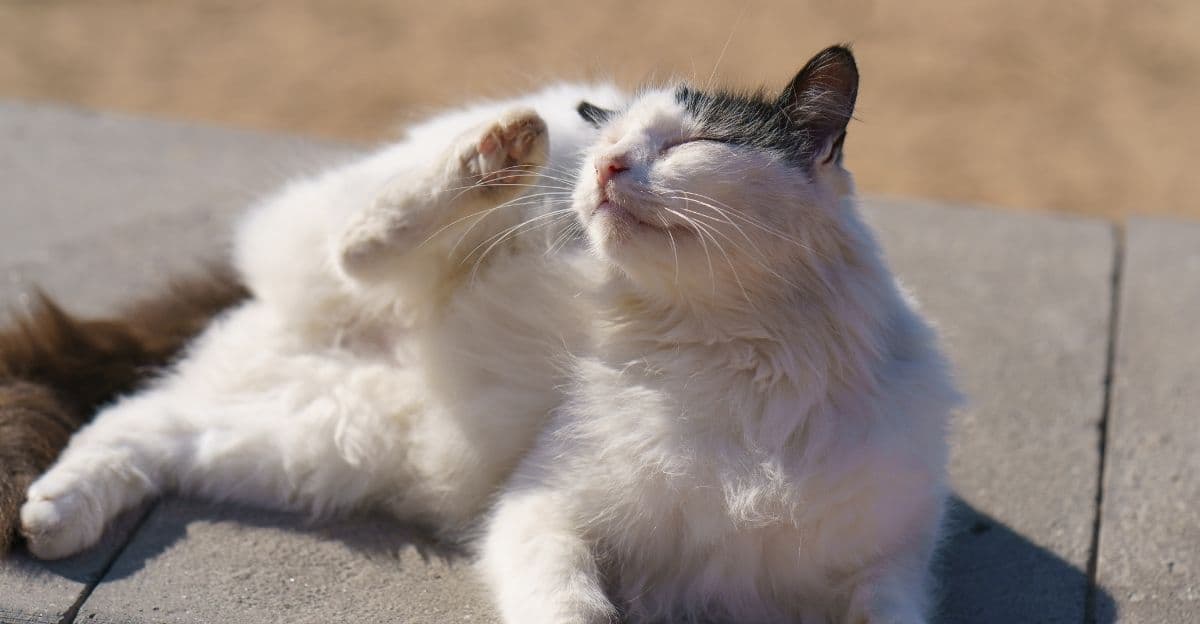
Why Is My Dog or Cat Constantly Scratching Even Without Fleas? 5 Possible Causes
Does your dog keep scratching, chewing their paws or rubbing their face, even though you can't find any fleas?
While fleas are often the first thing pet owners think of, they're not the only reason pets become itchy. Persistent scratching can be a sign of food sensitivities, environmental allergies, dry skin or other underlying skin issues.
The good news is that understanding the possible causes can help you take the right next step and get your pet the relief they need.
1. Food Allergies or Food Sensitivities
One of the most common reasons for ongoing itching is a reaction to certain ingredients in your pet's food.
Some cats and dogs develop sensitivities to common proteins like chicken or beef. Instead of causing digestive problems, the immune system often reacts through the skin, leading to frequent scratching, paw chewing, ear irritation or face rubbing.
If your veterinarian suspects a food allergy, they may recommend switching to a Hypoallergenic Dog Food, Hypoallergenic Cat Food or a Novel Protein Diet for an elimination trial. You can also browse our Limited Ingredient Food Collection to explore suitable options for sensitive pets.
2. Environmental Allergies
Just like humans, pets can also be allergic to things around them.
Pollen, dust mites, mould and even certain types of grass can trigger itchy skin. These allergies are often seasonal and commonly affect the paws, ears and belly.
Not sure whether it's food or the environment? Read our guide on Food Allergy vs Environmental Allergy in Dogs & Cats to learn how to tell the difference.
3. Dry Skin
Dry skin can also make your pet feel uncomfortable and itchy.
Cold weather, frequent bathing or a diet lacking essential fatty acids may weaken the skin's natural barrier, causing dryness and flaking.
Adding Omega-3 Supplements or Salmon Oil to your pet's daily meals may help support healthy skin from the inside out. You can also explore our Skin & Coat Care Collection for nutritional support suitable for both cats and dogs.
4. Skin Infections
Constant scratching can damage the skin, allowing bacteria or yeast to grow.
If you notice redness, an unpleasant smell, greasy skin or scabs, your pet may have developed a secondary skin infection that requires veterinary treatment.
Keeping the skin healthy with the right nutrition can also play a role in supporting your pet's recovery. Browse our Dog Supplements and Cat Supplements to discover daily nutritional support.
5. Other Skin Parasites
Even if there are no fleas, other parasites such as mites can still cause intense itching.
Some skin parasites are difficult to spot without a veterinary examination, so it's important not to rule them out if your pet's scratching becomes severe.
When Should You See a Vet?
Occasional scratching is completely normal, but persistent itching isn't.
If your pet is scratching every day, chewing their paws, losing fur or developing red, inflamed skin, it's best to arrange a veterinary check-up. Once fleas and other medical conditions have been ruled out, your vet may recommend trying a Hypoallergenic Diet or Novel Protein Diet to identify possible food sensitivities.
Helping Your Pet Feel Comfortable Again
Not all itching is caused by fleas. Food sensitivities, environmental allergies, dry skin and other skin conditions can all make your pet feel uncomfortable.
Understanding what's causing the itching is the first step towards finding the right solution. If your pet is diagnosed with a food sensitivity, choosing the right Sensitive Skin & Allergy Care products can help support healthier skin over time.
Shop Sensitive Skin & Allergy Care at Petico.sg
Ready to help your pet feel more comfortable?
Explore Petico's Sensitive Skin & Allergy Care Collection, featuring Hypoallergenic Dog Food, Hypoallergenic Cat Food, Novel Protein Diets, Limited Ingredient Foods, Omega-3 Supplements and Salmon Oil to support healthy skin and help reduce itching.